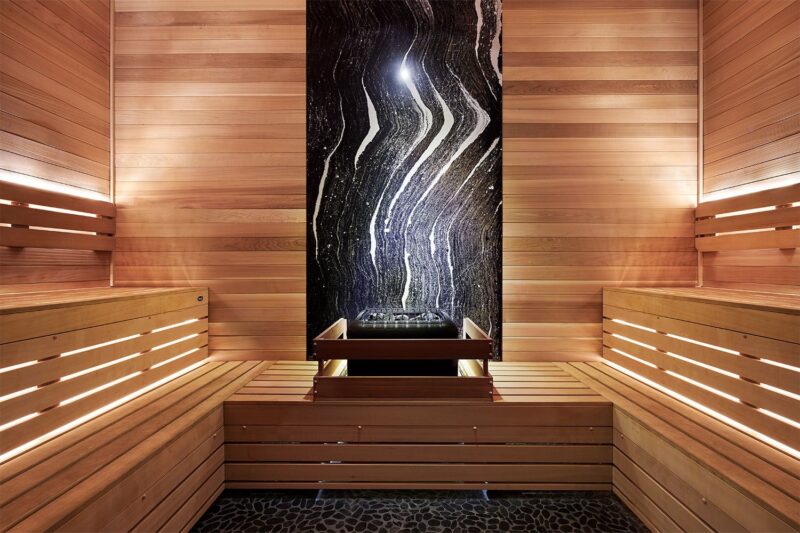
Choosing the right sauna heater depends on how you plan to use the space, how quickly you want it to heat up, and what kind of experience you prefer. Home saunas often prioritise convenience and energy efficiency, while commercial environments need durability, fast recovery between sessions, and simple controls for consistent results. Understanding the main heater types helps you select a solution that fits your budget, safety requirements, and long term maintenance expectations.
Electric sauna heaters for simple control and consistent heat
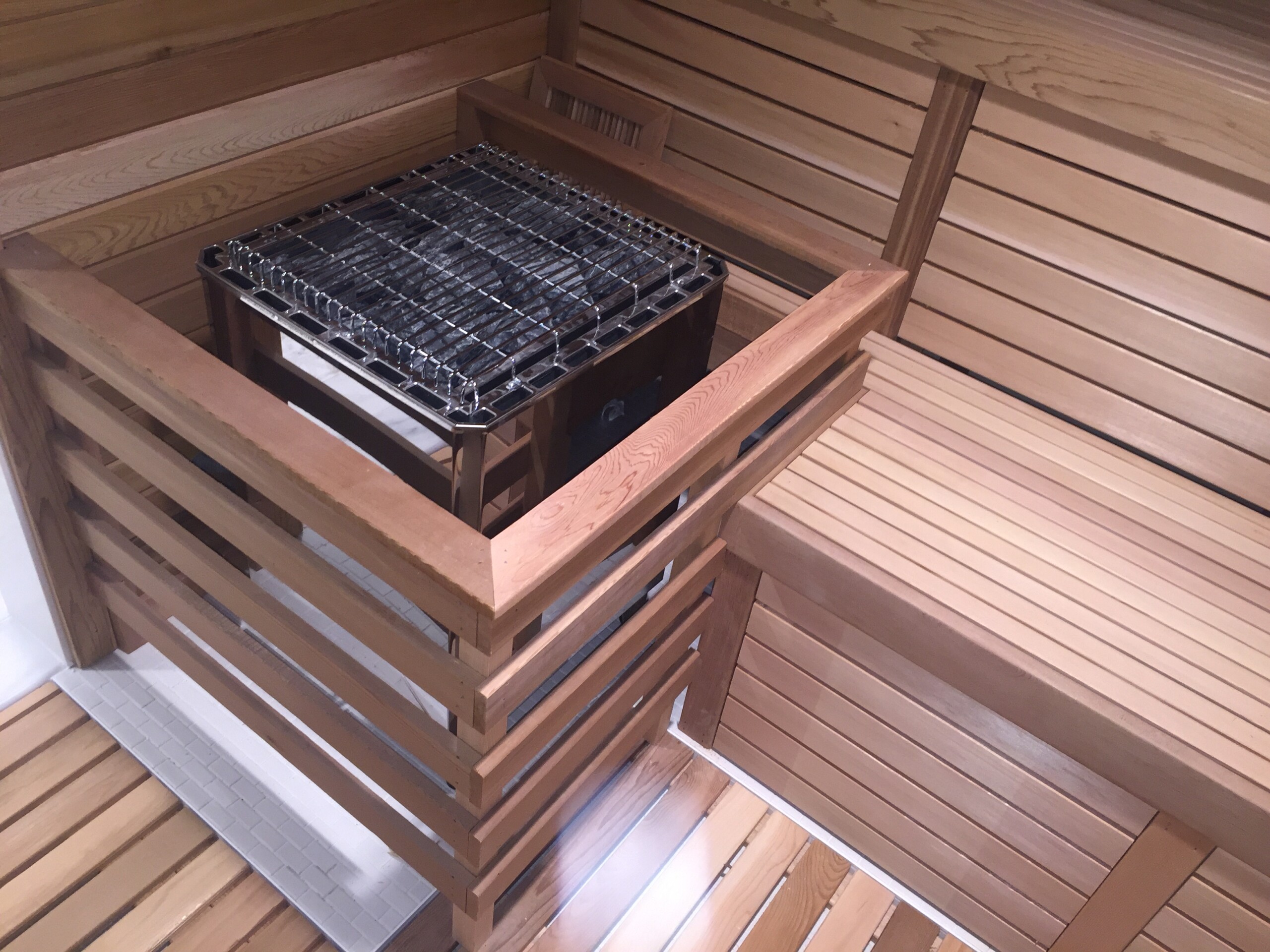
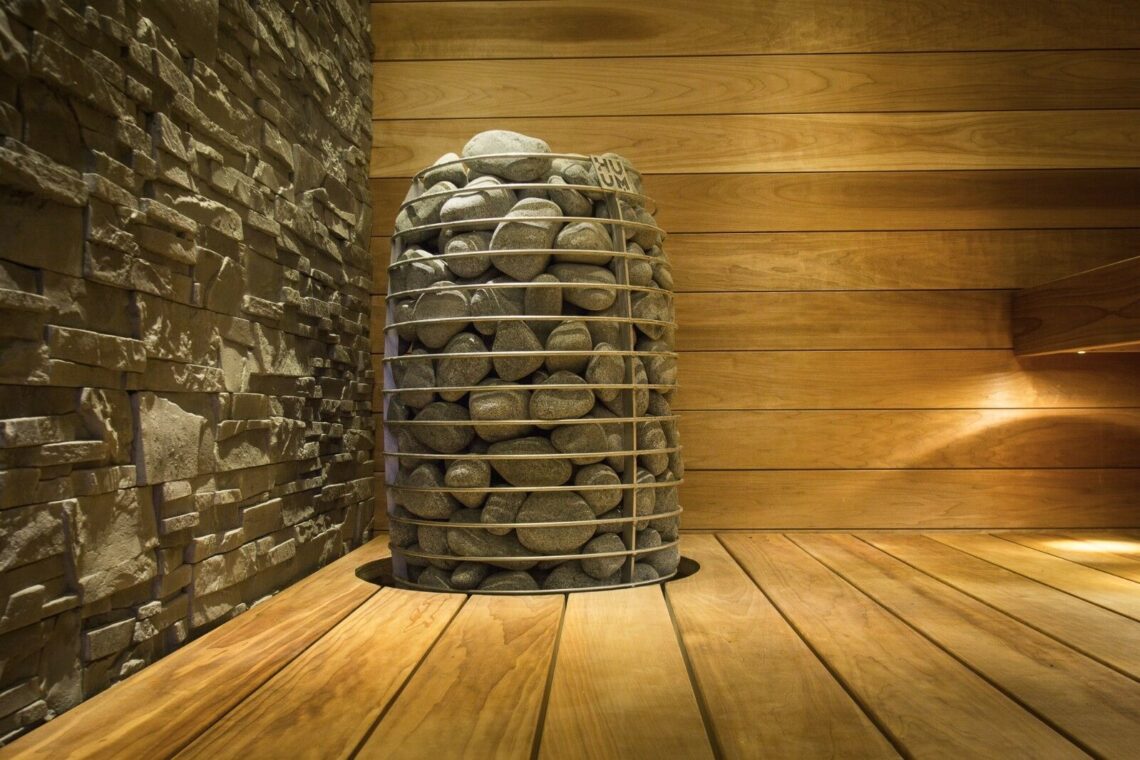
Electric heaters are the most common choice for home and many commercial saunas because they are easy to install, reliable, and straightforward to operate. They typically use heating elements and sauna stones to produce a dry, even heat, and many include digital controllers for precise temperature and timer settings. In the first paragraph after this heading, get a steam room at home by pairing your setup with a compatible steam generator if you want a wet heat experience rather than a traditional dry sauna.
Electric heaters are available in wall mounted and floor standing designs, with different power ratings to match sauna room volume. Correct sizing is essential to avoid slow warm up or inefficient cycling. Many modern units include safety features like overheat protection, automatic shutoff, and sensor based temperature control. For commercial use, heavier duty models are designed to withstand frequent sessions and deliver better heat recovery when doors open often.
Wood fired and gas heaters for traditional ambience and strong output
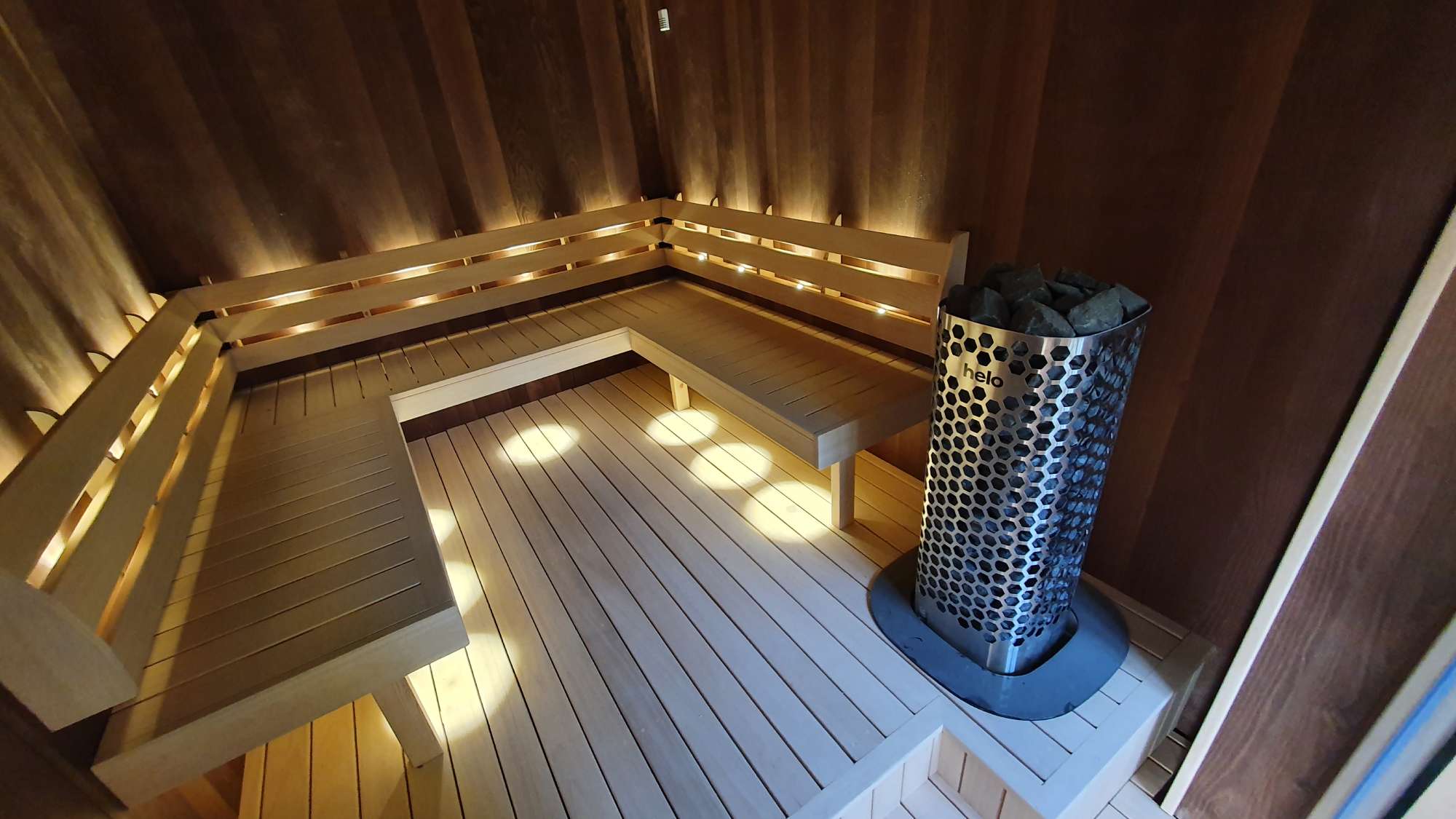
Wood fired sauna heaters offer a classic sauna feel with a distinctive warmth and aroma. They can be excellent for outdoor saunas or cabins where electricity is limited. These heaters require proper chimney installation, ventilation, and fire safety clearances, plus a consistent supply of dry wood. Warm up time and temperature control can be less precise than electric, but many people enjoy the traditional ritual and the powerful radiant heat.
Gas heaters are less common but can be useful for certain commercial applications where gas is readily available and strong continuous output is needed. They require professional installation, ventilation planning, and compliance with local safety codes. Both wood and gas options tend to involve more ongoing checks compared to electric, but they can be cost effective in specific situations depending on fuel pricing and usage patterns.
Infrared systems and hybrid setups for different experiences
Infrared sauna systems heat the body more directly using radiant panels rather than heating air to the same high temperatures as traditional saunas. They are often used in home environments where people want shorter sessions at lower temperatures. Infrared setups can be energy efficient, quiet, and easier to install, but the experience feels different from a classic hot stone sauna.
Hybrid systems combine elements of traditional heaters and infrared panels, giving users flexibility. Some commercial spas also offer both dry sauna and steam room experiences in separate rooms. When planning any hybrid or multi room setup, consider power supply, ventilation, moisture control, and how the space will be cleaned and maintained over time.
Conclusion
Home and commercial sauna heater options range from easy to use electric models to traditional wood fired units and modern infrared systems. The best choice depends on your desired heat style, space constraints, installation requirements, and maintenance expectations. By matching heater type and output to your sauna design, you can achieve safe, efficient, and enjoyable sessions for years.