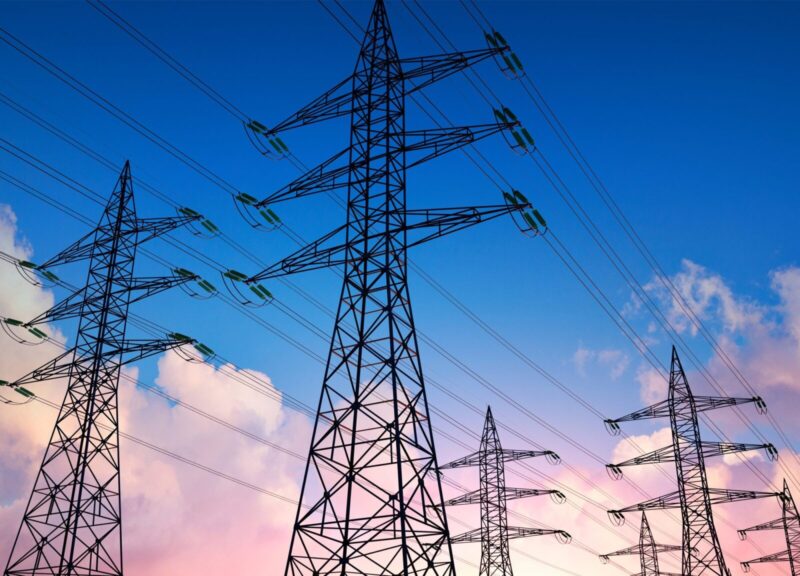
High voltage engineering services are essential for delivering safe, reliable, and compliant electrical infrastructure across utility, industrial, and renewable energy projects. From early feasibility through to final commissioning, these services ensure that technical decisions are sound, risks are managed, and assets perform as intended over their full lifecycle. Understanding what to expect at each stage helps project owners plan effectively and avoid costly surprises.
Feasibility studies and early stage engineering

High voltage engineering begins at the feasibility stage, where technical, commercial, and regulatory constraints are assessed. This phase determines whether a project is viable and identifies the most suitable connection options, voltage levels, and network interfaces. Studies typically consider load requirements, fault levels, grid capacity, protection philosophy, and land or environmental constraints.
Organisations that want to discover more about power grid services often find that early engineering input significantly reduces downstream risk. Feasibility assessments help compare alternatives, estimate costs, and highlight potential approval challenges before major investment is committed. At this stage, engineers also engage with network operators and authorities to align designs with grid standards and connection requirements.
Clear feasibility outcomes provide a strong foundation for concept and detailed design, ensuring that projects move forward with realistic assumptions and defined technical boundaries.
Detailed design, procurement, and construction support
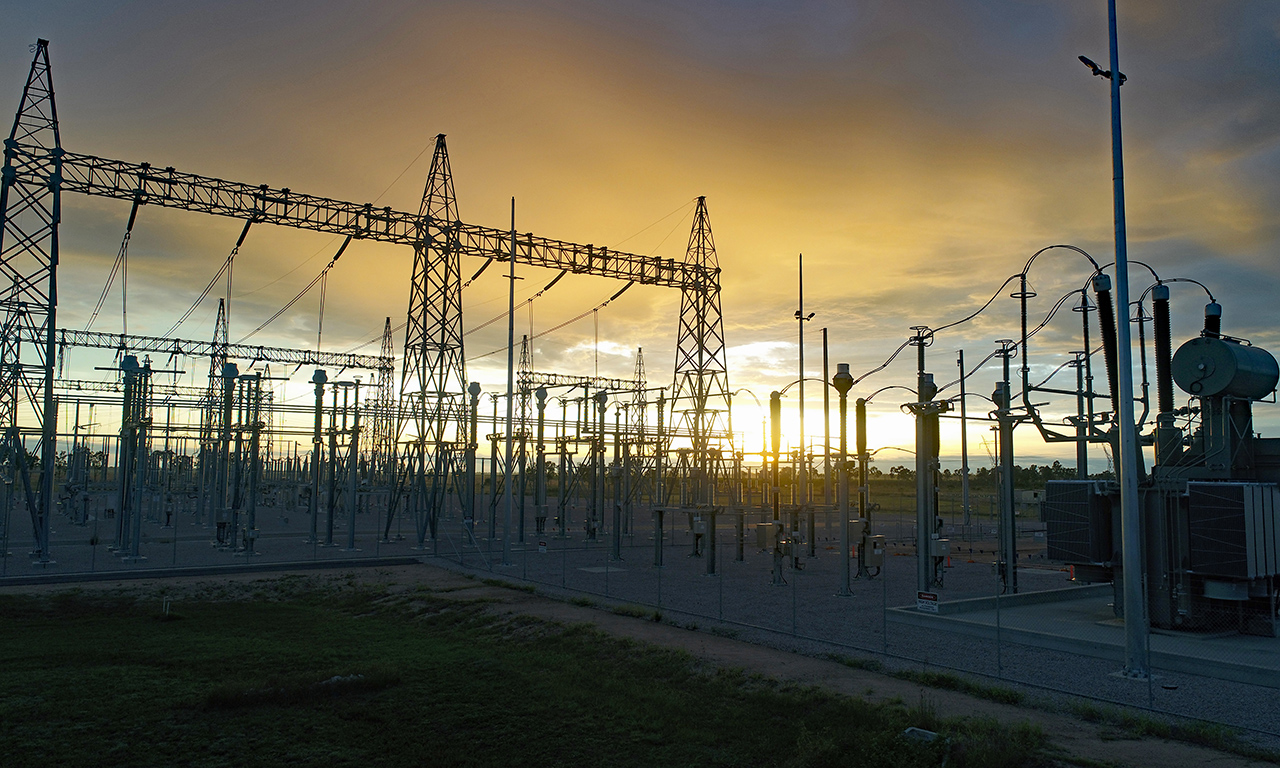
Once feasibility is confirmed, high voltage engineering services move into detailed design. This includes primary and secondary system design, equipment specification, protection and control schemes, earthing systems, and integration with existing networks. Designs must comply with relevant standards while remaining practical to build and maintain.
Engineers often support procurement by preparing technical specifications, evaluating vendor submissions, and ensuring selected equipment meets performance and compliance requirements. During construction, engineering support continues through design clarifications, site inspections, and resolution of technical issues that arise in the field.
This stage is critical for translating design intent into reality. Close collaboration between engineers, contractors, and project managers helps prevent errors, manage changes, and maintain safety throughout construction.
Testing, commissioning, and energisation

The final phase of high voltage engineering services is testing and commissioning. This process verifies that installed equipment and systems perform correctly and safely before being placed into service. Activities include inspection, functional testing, protection testing, and system integration checks.
Commissioning engineers develop detailed test plans and energisation procedures to manage risk during this critical stage. Coordination with network operators and stakeholders ensures that energisation occurs smoothly and in compliance with all requirements.
Post energisation support may include monitoring, performance verification, and final documentation handover. Comprehensive commissioning records provide assurance that the asset has been delivered to specification and is ready for long term operation.
Conclusion
High voltage engineering services cover the full project journey, from feasibility studies through detailed design, construction support, and final commissioning. Each stage plays a vital role in managing risk, ensuring compliance, and delivering reliable electrical infrastructure. By engaging experienced engineers early and maintaining technical oversight throughout the project, owners can achieve safer outcomes, smoother delivery, and assets that perform confidently from day one.