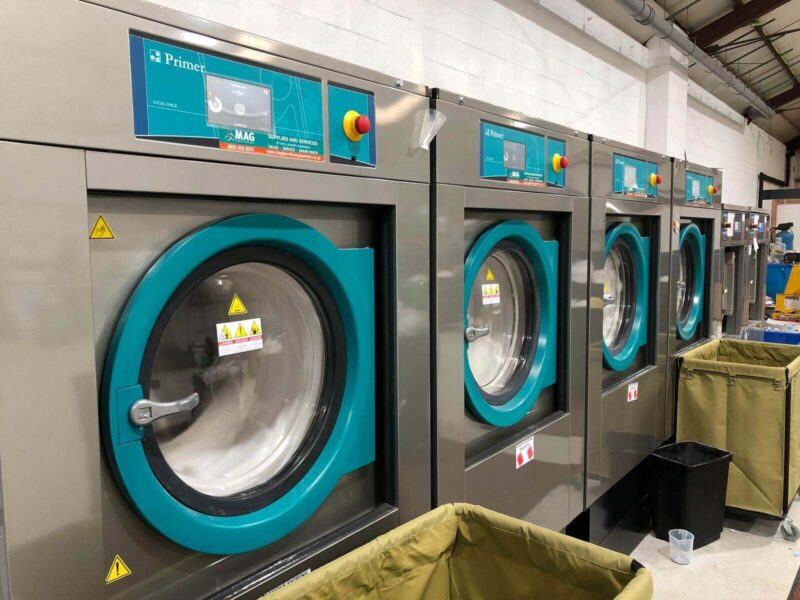
Industrial washing machines and dryers are significant investments for laundromats, hotels, hospitals, care facilities, gyms, and commercial laundry operations. The right equipment can improve productivity, control utility costs, and deliver consistent results across large volumes of laundry.
Choosing machines based only on purchase price can lead to limited capacity, high energy use, frequent repairs, and workflow delays. Buyers should assess operational demand, installation requirements, equipment durability, and long-term support before placing an order.
Determine the Required Capacity and Equipment Mix

Begin by calculating the average amount of laundry processed each day, as well as the maximum volume during peak periods. Consider the types of items being washed because towels, bedding, uniforms, and heavily soiled textiles can require different programmes and machine capacities.
Choosing a machine that is too small may create backlogs and require additional cycles. Oversized equipment can also be inefficient when it regularly operates with partial loads. The selected capacity should reflect realistic daily use while allowing room for occasional increases in demand.
Washer and dryer capacity must be properly balanced. Fast washing cycles provide little benefit when customers or employees must wait for an available dryer. High-extraction washers can remove more moisture before drying, potentially reducing drying times and energy consumption.
For wholesale purchases of washing machines, tumble dryers and a lot more commercial laundry equipment in Australia, we recommend visiting www.laundryeq.com.au. A specialist supplier can help compare machine sizes and create an equipment mix suited to the facility’s workload.
Evaluate Efficiency and Total Ownership Costs
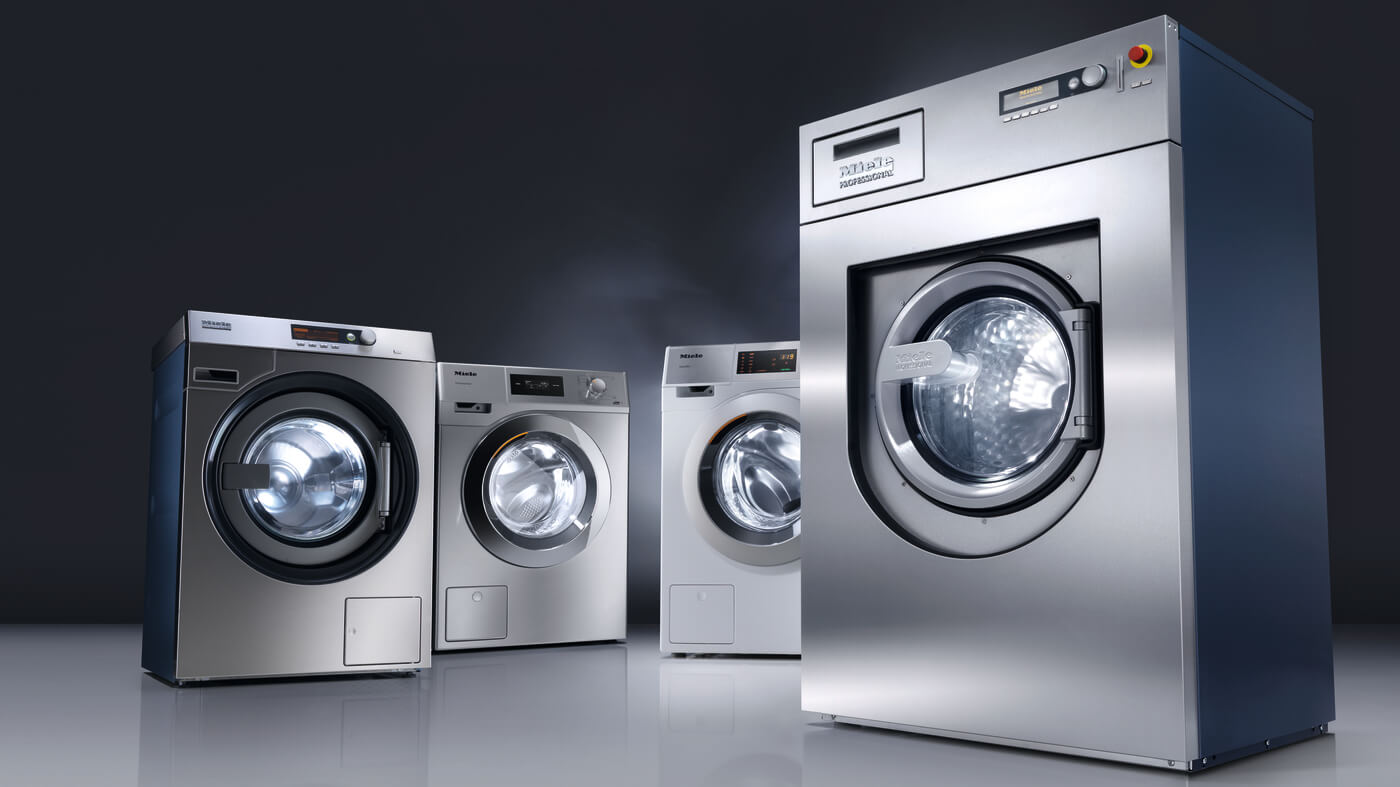
The initial purchase price is only one part of the total cost. Buyers should also consider water, electricity, gas, detergent, routine maintenance, replacement parts, and the financial effect of equipment downtime.
Compare water consumption per cycle, energy ratings, programme duration, extraction speed, and dryer performance. Efficient equipment may have a higher initial price but produce meaningful savings when used repeatedly over many years.
Programmable controls can help facilities match water levels, temperatures, cycle lengths, and chemical dosing to different textile types. This can prevent unnecessary resource use while reducing the risk of poor cleaning results or damage to fabrics.
Ask for realistic information about the machine’s expected service life under your anticipated workload. Equipment designed for occasional commercial use may not be appropriate for an operation that runs continuously throughout the day.
Check Installation and Maintenance Requirements
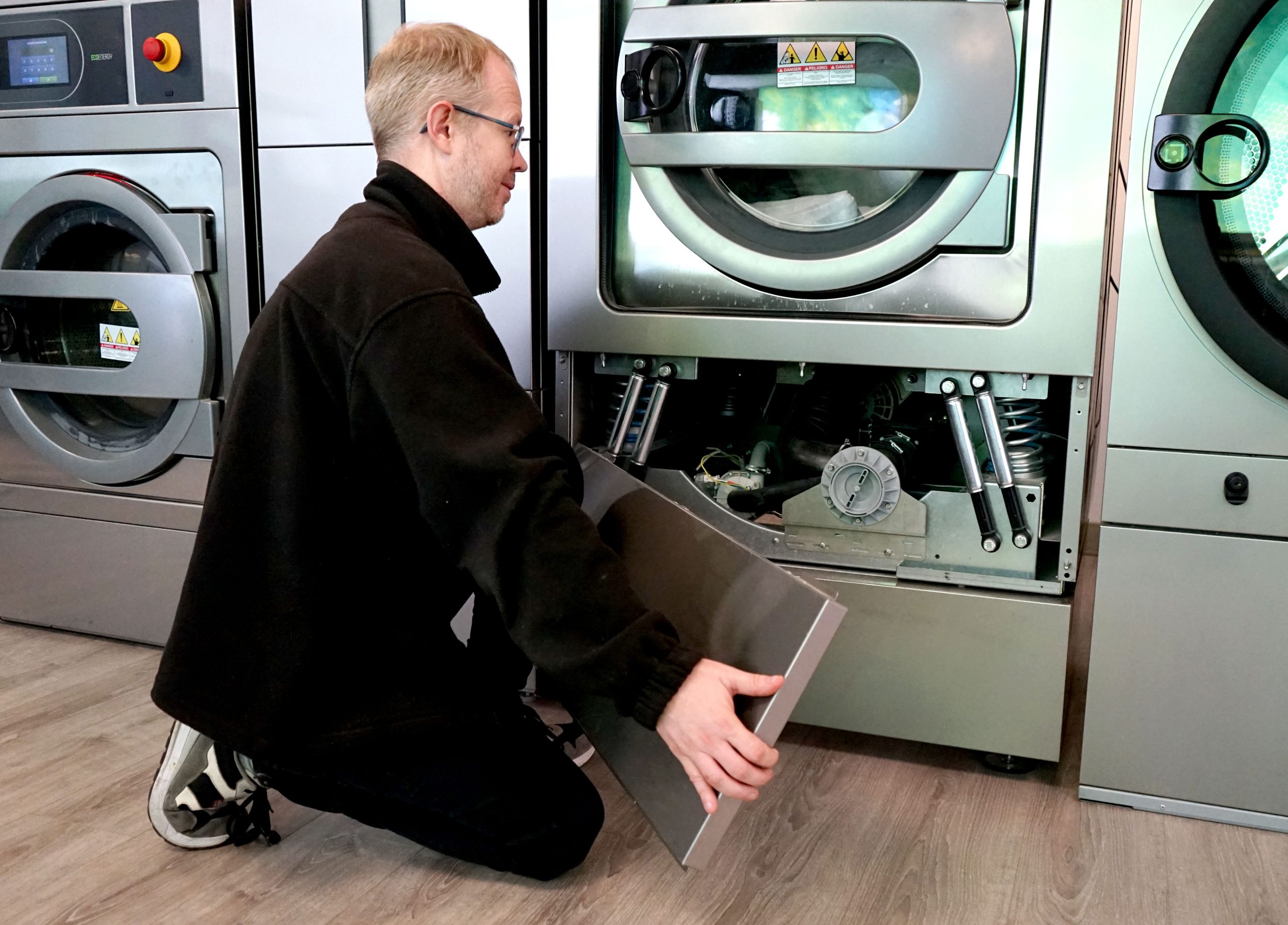
Industrial laundry equipment may require specialised plumbing, drainage, ventilation, electrical connections, gas supply, and floor support. Buyers should have the proposed installation area inspected before ordering machines.
Measure entrances, corridors, lifts, and doorways to confirm that the equipment can be delivered to its final position. The layout should provide sufficient space for loading, unloading, servicing, and the safe movement of staff or customers.
Dryers need appropriate ventilation and clearance to operate efficiently and safely. Poor airflow can increase drying times, energy use, and heat levels inside the laundry. Installation must follow the manufacturer’s instructions and applicable building requirements.
Reliable after-sales service is also essential. Ask about warranty coverage, technician availability, service response times, preventive maintenance, and access to replacement parts. A machine that cannot be repaired promptly can disrupt the entire operation.
Conclusion
Buying industrial washing machines and dryers requires a detailed assessment of capacity, efficiency, installation conditions, and long-term operating costs. Equipment should match both the type of laundry being processed and the facility’s busiest periods.
By comparing total ownership costs and working with an experienced commercial supplier, buyers can select dependable machines that improve workflow, reduce downtime, and support the operation as demand grows.