
Modern site surveillance in 2025 is no longer just a few cameras on poles. It is an integrated security and project intelligence layer that helps construction teams prevent theft, reduce safety incidents, and document progress in real time.
With labor shortages, rising material costs, and tighter compliance expectations, job sites need systems that work without constant monitoring. The best setups combine smart hardware, connected software, and clear operating routines that support both security and management goals.
Connected camera networks and AI driven detection

Today’s surveillance starts with a network of high resolution cameras positioned to cover entrances, material laydown areas, plant zones, and critical work fronts. These cameras are usually linked through cellular or mesh networks, so they keep streaming even when power or fixed internet is limited.
Most systems now include edge AI, meaning they analyze video on the device itself. Instead of recording hours of empty footage, cameras flag specific events like motion in restricted zones, line crossing at gates, or unexpected activity after hours.
That reduces false alarms and speeds response. If you are evaluating what kind of setup fits your site, check here about jobsite security camera system is helpful because it shows how modern kits combine cameras, analytics, and remote access in one package.
Thermal and low light sensors are common in 2025. They detect humans and vehicles in fog, heavy rain, and darkness, which is critical for large sites with multiple access points.
AI also supports incident review. Search tools can pull clips based on tags like “person on scaffold” or “vehicle in zone,” making audits faster than manual scrubbing.
Integration with access control, drones, and site data
Surveillance is now tied closely to access control. Temporary biometric kiosks, smart gate readers, and QR badges feed into the same dashboard as cameras.
When someone enters a site, the system matches access logs with video, creating a verified record of who was where and when.
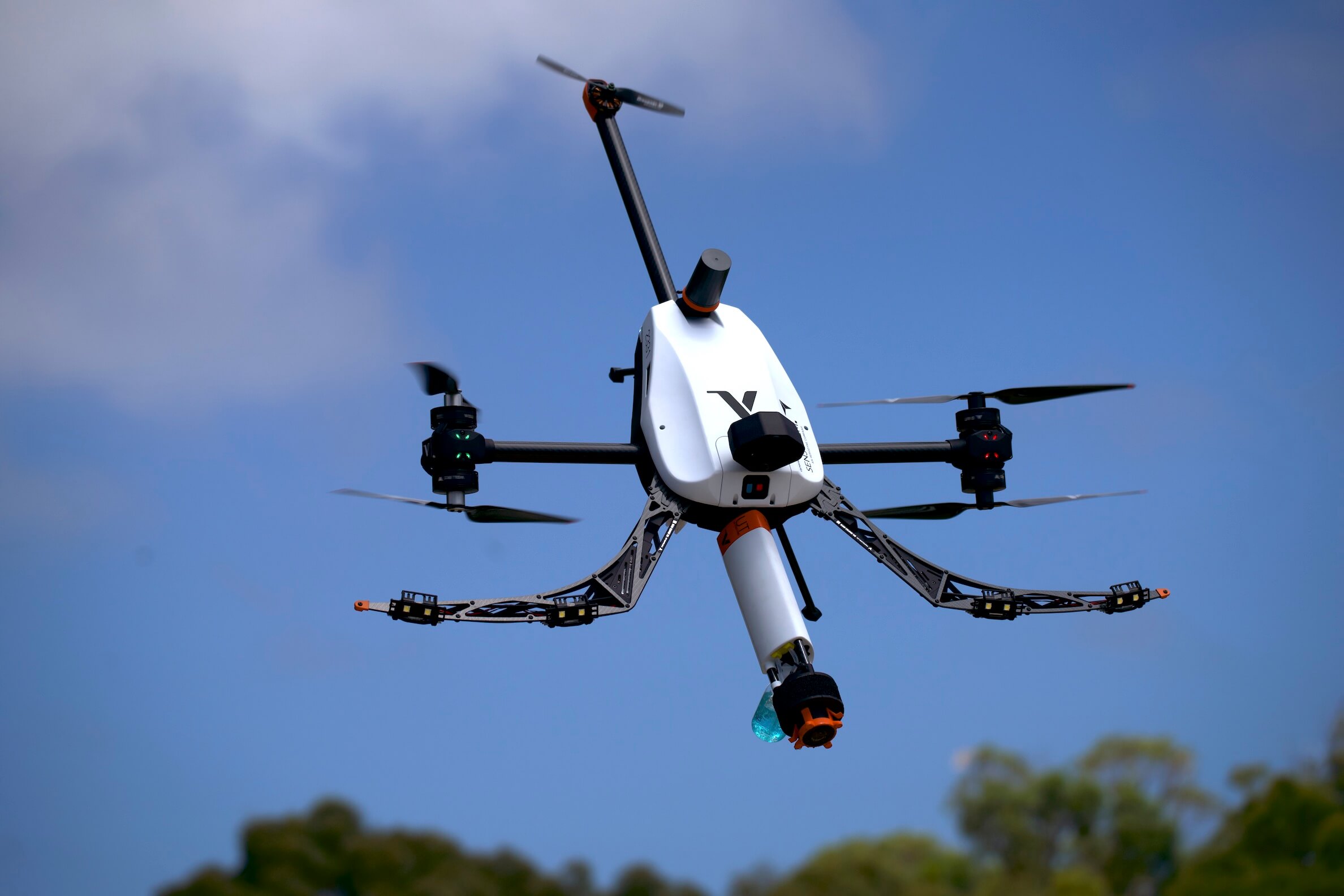
Drones add another layer. Many projects run scheduled drone flights that capture aerial imagery and stitch it into site maps.
These flights support security by confirming perimeter integrity and spotting vehicle movement, but they also help progress tracking and dispute prevention.
Another 2025 trend is integration with project platforms. Video streams and snapshots can be linked to schedules, RFIs, and defect lists.
If a slab pour was delayed by weather or access, time stamped footage proves the condition instantly, reducing arguments and speeding claims resolution.
Some sites also add environmental sensors near cameras. Noise, dust, vibration, and temperature data help safety teams correlate incidents with real site conditions.
Practical benefits, privacy, and best practice operation

The biggest benefit of modern surveillance is deterrence. Visible cameras, clear signage, and fast response reduce theft and vandalism before they occur.
That matters more now as sites hold high value assets like copper, battery storage units, and modular equipment.
Safety benefits are growing too. AI can detect PPE gaps, people entering exclusion zones, or unsafe proximity to plant, allowing supervisors to intervene early.
However, privacy and ethics are a bigger focus in 2025. Sites must define what is monitored, who can access footage, and how long data is stored.
Policies should be communicated to workers and subcontractors, and surveillance should be limited to safety and security goals, not personal tracking.
Best practice also includes maintenance. Cameras need regular lens cleaning, angle checks after site changes, and backup power or solar support.
Teams should review alerts weekly to refine detection rules, so the system stays accurate as the site evolves.
Conclusion
Modern site surveillance in 2025 is a smart, connected system that protects assets, supports safety, and strengthens project control. With AI detection, integrated access data, and clear privacy rules, it turns video from passive recording into an active tool that helps sites run smoother and safer.